
How Activity Monitoring Helps You Spot Sick Calves Earlier
One calf is lying down more than usual. Another is pacing restlessly in its pen. These changes in behaviour can be some of the earliest indicators that something is wrong. However, spotting them consistently, across every animal on your farm, 24 hours a day, simply isn’t possible without a little help.
That’s exactly what the activity sensors in WellCalf’s smart ear tags are designed to do.
How the Activity Sensor Works
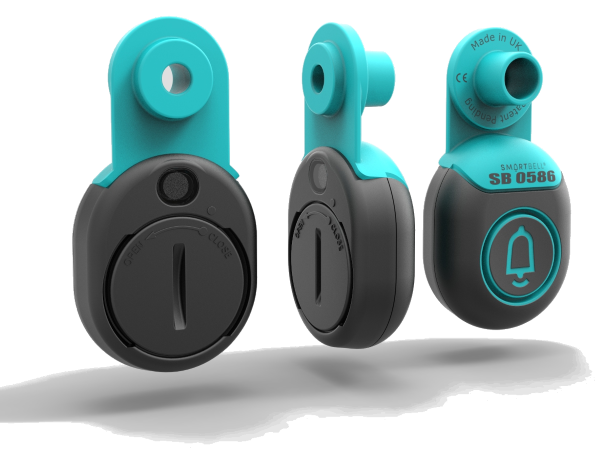
Alongside ear temperature tracking, every WellCalf ear tag contains an accelerometer. This is the same kind of sensor that rotates your phone screen or counts your daily steps on a fitness tracker. It records a calf’s movement in all directions, sending a signal to the central gateway every 15 minutes.
Using this data, he WellCalf system works out how much time each calf is spending lying down, moving around, or eating and builds a detailed picture of their daily behaviour over time.
What 'Normal' Looks Like, and Why It Varies
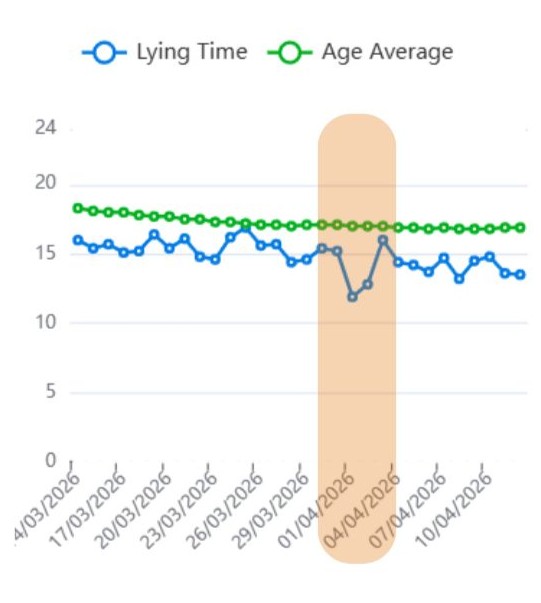
As calves grow, their activity patterns change significantly. A two-week-old calf typically spends around 18 hours (70% of their day) resting. By six weeks, this drops to around 14–15 hours, and by weaning at around 12 weeks, they may only be lying down for 10 hours a day.
However, activity also varies farm to farm — pen size, hutch layout, and group dynamics all play a role.
The WellCalf system accounts for this by building two baselines for every animal: one based on expected activity for their age, and one based on what’s normal for your specific herd and farm setup
Example from the App
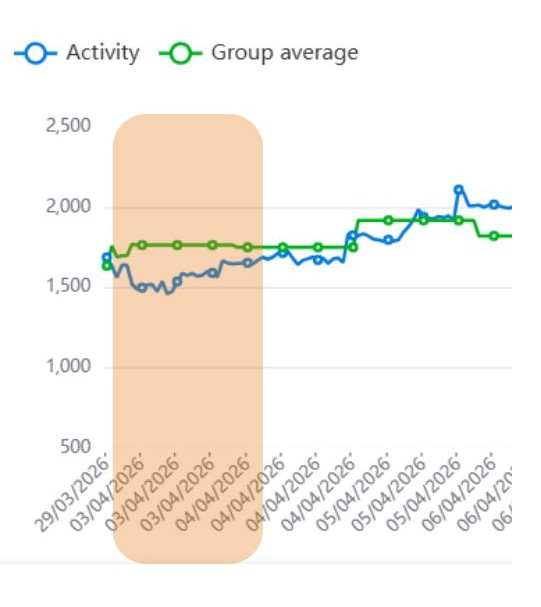
The two graphs here show these baselines. The blue line is the activity and lying time for the individual animal, and green is the baseline for the whole group. As you can see, for this animal the two lines mostly closely track each other – but weve highlighted some “anomalies” in the orange boxes.
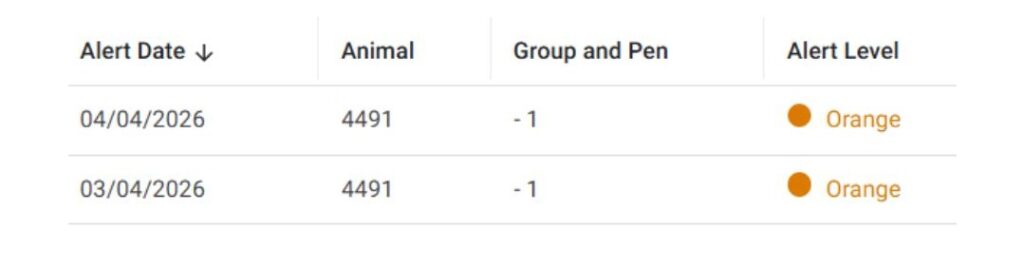
In the screenshot of the alerts table below, you can see that the system generated alerts around the dates of those anomalies (April 3rd and 4th).
Spotting the Warning Signs
Working from these baselines, the system flags when an animal is moving significantly more or less than expected. A calf that’s suddenly less active than normal may be feeling unwell. An unexplained spike in activity could point to stress or discomfort.
Research shows that measurable changes in calf activity can occur up to two days before physical symptoms of illness are visible. That’s two days in which early, targeted intervention is possible.
Earlier treatment can mean significant improvement in outcomes for calves, and can save money both by reducing the need for expensive antibiotics and bringing down overall calf mortality