
How to Stop Infections Spreading Between Your Calf Pens
In a post-COVID world, most of us have a good understanding of how infections spread between people: keep your distance, wear a mask, and wash your hands!
But what does infection control look like on a working farm, where calves can’t socially distance themselves, and mud and muck are part of everyday life?
Neonatal calves (those that haven’t been weaned yet) have had very little time for their immune systems to develop. This makes them extremely vulnerable to infections. While we might focus on bugs spreading between animals, humans are actually one of the biggest vectors for carrying disease from pen to pen.
Stockmen and farmers move between animals, across the farmyard, and in and out of multiple sheds throughout the day. Without the right precautions in place, they can unknowingly carry pathogens from one area straight into a calf pen.
The good news is that simple habits, built into your daily farm routine, can make a massive difference.
Simple steps like these work alongside smart monitoring to build better management practices for your youngstock. WellCalf alerts can tell you which animals need attention, but good hygiene practices help make sure that attention doesn’t make things worse!
1. Clean those wellies!
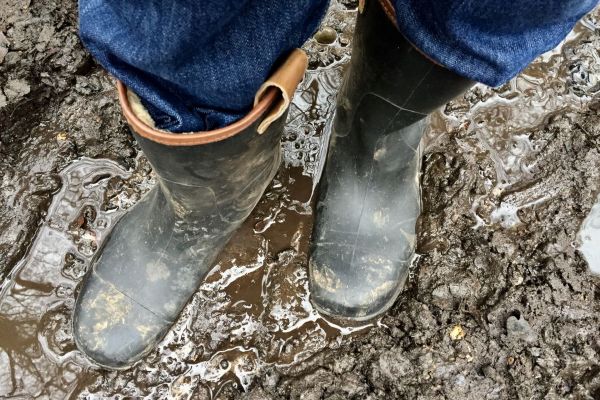
Wherever possible, clean your boots when moving into a new shed or area — particularly when transitioning from adult cattle housing to calf pens. Rinse with a hose first, then step into a disinfectant bucket. Always rinse off visible mud before the disinfectant-bucket step, as mud stuck onto boots reduces the effectiveness of the disinfectant.
2. Fresh Clothes
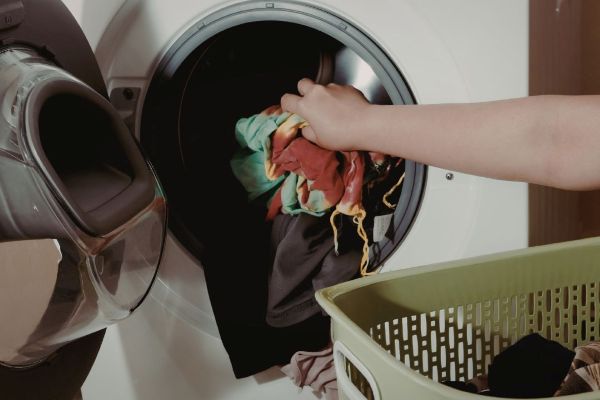
Germs can survive on clothing longer than you might think.
Aim for a fresh outer layer at least every other day, and put clothing worn when handling sick animals straight into a designated laundry basket or (better yet) directly into the wash!
3. Youngest First
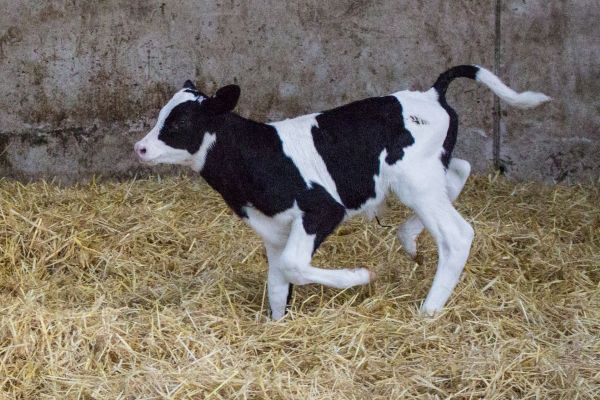
The younger a calf is, the less developed their immune system. Start your daily rounds with the youngest, most vulnerable animals and work up to older stock.
This prevents bugs from older calves being carried back to younger animals less able to fight them off.
4. Love the Glove
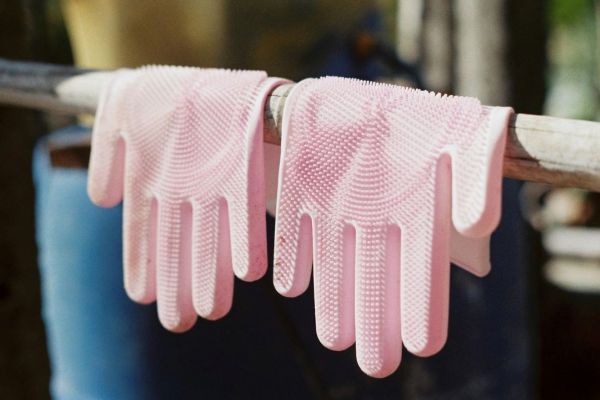
Always wear gloves when handling sick or potentially sick calves, whether you’re carrying out an assessment or administering treatment.
Change gloves frequently, especially when moving between different age groups or sheds.