Do Calves Need Jackets? A Practical Guide
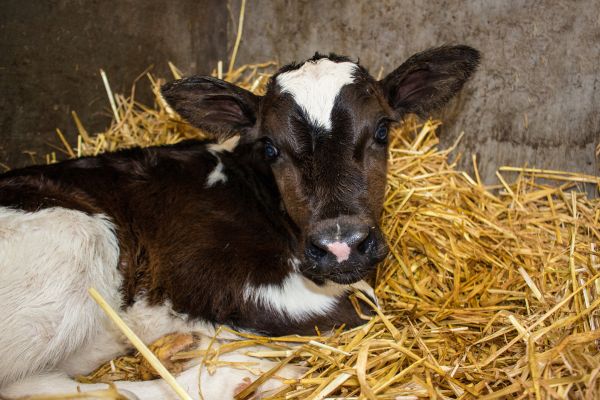
Adult cattle generate considerable body heat through their digestive systems — particularly from the fermentation activity in their rumen. Young calves, whose rumen hasn’t yet developed, don’t have this advantage. In cold weather, they can end up spending a significant portion of their energy simply staying warm — energy that would otherwise be going into growth and immune system development.
Calf jackets are a simple, practical tool to help manage this.
When Do Calves Need Jackets?
The temperature at which calves start burning extra energy to keep warm — their Lower Critical Temperature, or LCT — varies by age:
- Calves under 3 weeks old: LCT is 10–15°C
- Calves from 3 weeks to weaning: LCT is 5–10°C
When temperatures fall at or near these thresholds, jackets can make a meaningful difference to how effectively calves use their feed energy — and how well their immune systems function.
How Calf Jackets Work
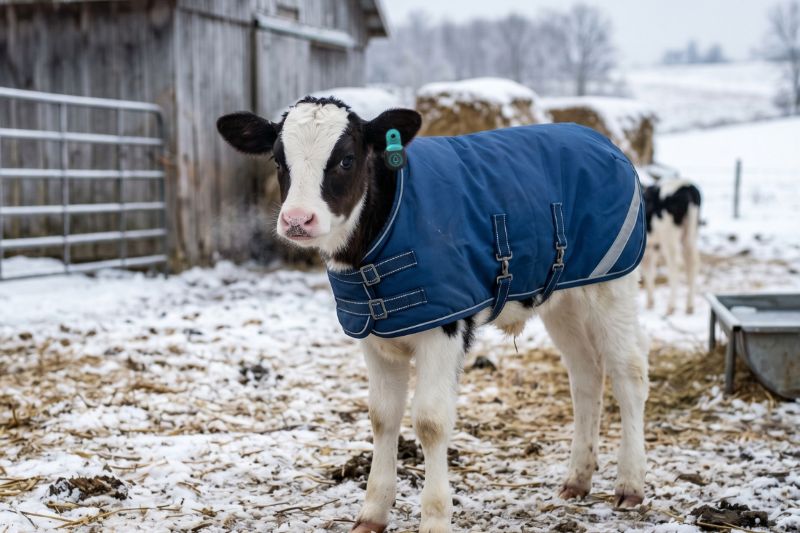
Calf jackets sit over the back and sides of the animal, typically fastening with velcro under the neck and with adjustable straps around the belly and legs. They work in two ways: reducing body heat loss in cold conditions, and keeping calves dry — since damp calves lose heat much more rapidly than dry ones.
Most are made with a waterproof outer layer, a breathable inner lining, and an insulating material between the two — designed to retain warmth without causing overheating if temperatures rise.
Looking After Calf Jackets
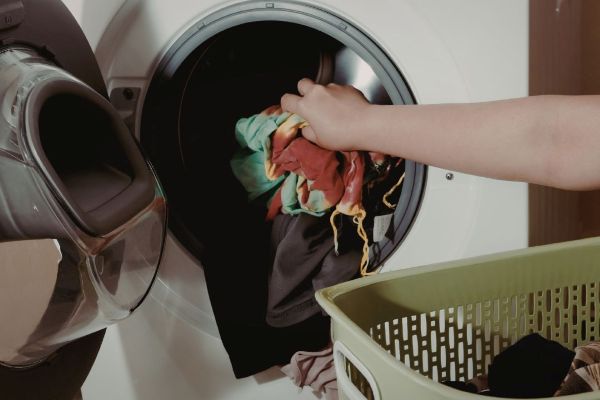
Jackets should be cleaned between uses on different animals. Many can be hosed down or machine-washed. When machine washing, a waterproofing treatment added to the wash cycle (such as Nikwax) helps restore the jacket’s water resistance. Always ensure jackets are completely dry before putting them back on a calf — a damp jacket can actually make cold stress worse rather than better.
Monitoring in-shed temperature and humidity gives you the data to decide when jackets are needed — and when conditions have improved enough to remove them.